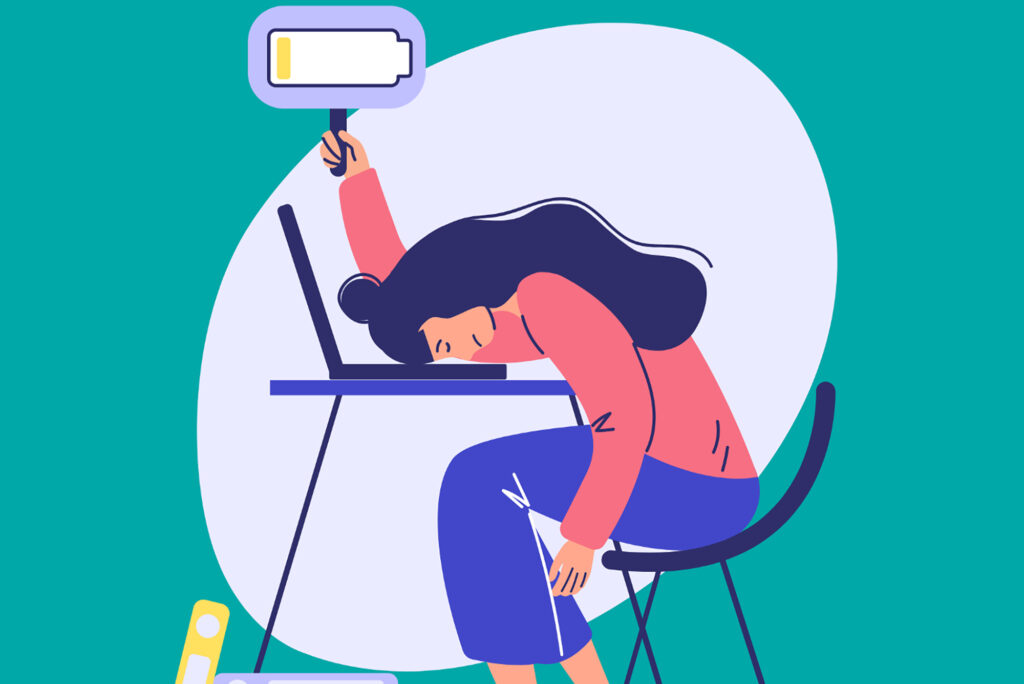
Tired Isn’t a Badge of Honour: Rethinking Burnout Culture in College
College life is full of deadlines, endless to-do lists, and constant pressure, but mental health
struggles often remain invisible beneath it all. In this blog, I aim to explore why burnout shouldn’t
be seen as a mark of dedication, and how embracing rest can help us flourish.
It’s crazy how we’ve come to accept surviving on little sleep and endless caffeine as a sign of
ambition. In college, it almost feels like if you’re not exhausted all the time, you’re not working
hard enough. Juggling assignments, internships, extracurriculars, and social commitments is
is expected. But in this constant race to “do more”, many of us are quietly burning out without
even realising it.
At first, I didn’t recognise my burnout. I convinced myself I was just being lazy. I’d wake up already
feeling drained, open my laptop, and stare blankly at the screen. I lacked motivation and energy
Even things I once enjoyed like listening to music or chatting with friends started feeling like chores.
Still, I pushed through because I didn’t want to fall behind.
Taking breaks felt like giving in to guilt.
Burnout isn’t just about feeling tired physically. It’s this heavy emotional burden that builds up when
we’re constantly stressed. You might be showing up to class and submitting assignments, but inside,
you feel disconnected, almost like you’re on autopilot.
Unfortunately, this state is often glorified in college culture. People brag about their all-nighters and
overwhelming schedules as if it’s a trophy.
From a psychological perspective, burnout stems from prolonged stress. Our brains are designed to
handle short bursts of stress, like preparing for an exam, but constant pressure exhausts us.
Without time to recover, it takes a toll on our memory, mood, and how we interact with others.
Despite these warnings, we continue to celebrate the nonstop hustle, ignoring the damage it causes.
I used to think resting was a luxury only some could afford. But I’ve learned that rest isn’t a reward,
it’s essential. The harder I pushed myself without pause, the more I lost my passion for learning and
connecting. What helped me start healing weren’t drastic changes but small habits:
allowing myself guilt-free downtime, setting clear boundaries for work, enjoying music purely for
pleasure, and realising my worth isn’t tied to productivity.
It’s time to stop treating burnout like a temporary phase or a necessary part of success.
It’s a serious issue that harms us. Hustling might bring applause, but finding balance brings peace.
If you’re reading this feeling constantly exhausted and overwhelmed, remember to pause.
You don’t have to prove you deserve rest. You deserve it simply because you are human.
And trust me, you’re doing better than you realise.
Very Good Work